
Youth & Opportunity in Modern Farming Using Technology
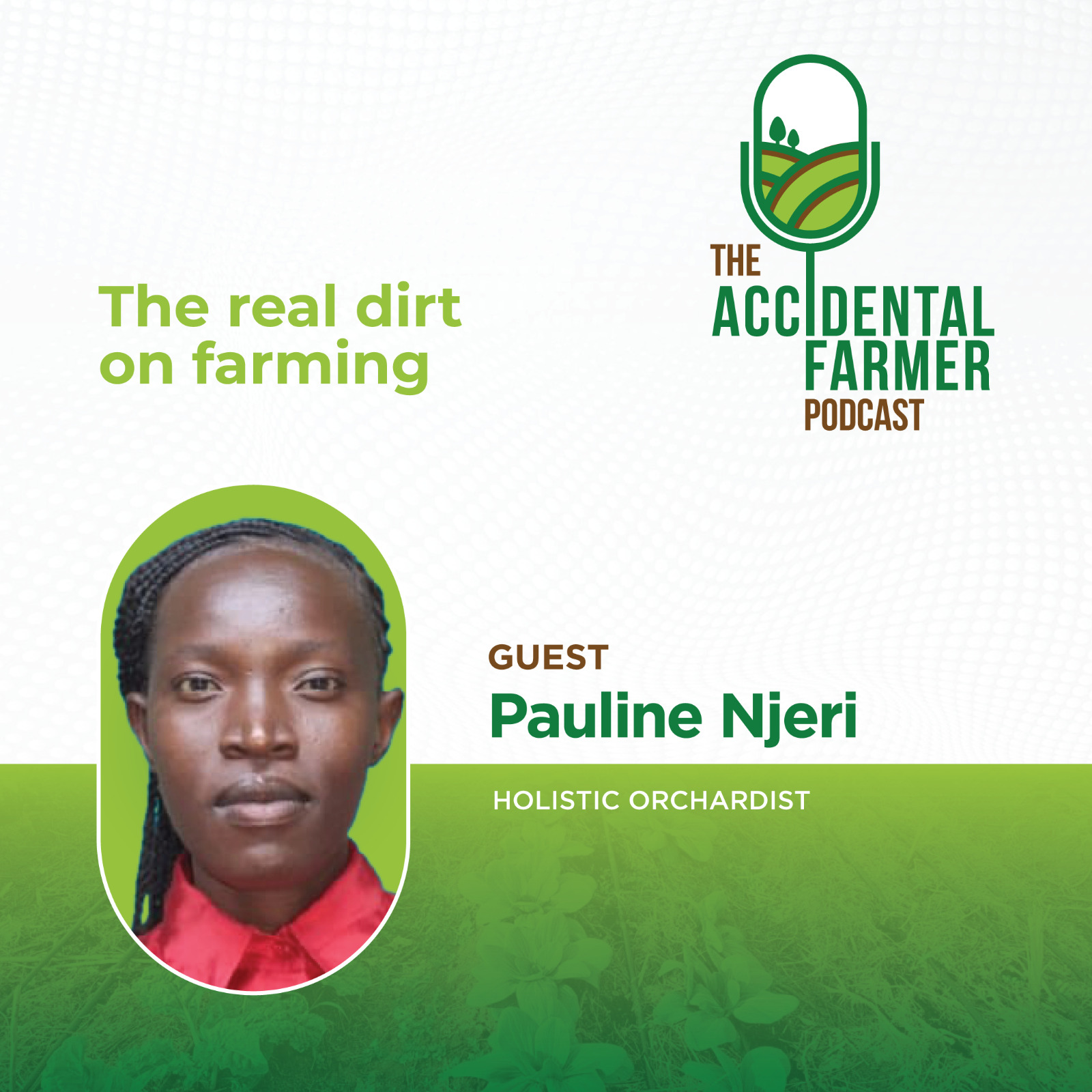
As we continue to celebrate women this month, I invite you to listen to an inspiring episode of The Accidental Farmer Podcast featuringPauline Njeri, a dynamic and ethical agronomist redening farming through science, sustainability, and innovation. Pauline, known asThe Holistic Orchardist, shares her journey and valuable insights on the future of agriculture—especially the role young people must playin shaping it.
Watch the full episode here:
Lessons from the Field: What Youth Can Teach Us About the Future of Farming
The average age of a farmer in many parts of the world is over 60. Yet, the future of farming depends on young, innovative mindswilling to embrace modern techniques and overcome barriers such as funding, access to land, and outdated perceptions. Here aresome of the key takeaways from our conversation with Pauline:
1. Agriculture Is a Science, Not Just Manual Work
Success in farming begins with knowledge. Pauline emphasizes the importance of soil testing to prevent waste, maximize yields, andensure long-term sustainability. Without scientic approaches, farmers risk depleting their land and reducing productivity.
2. Holistic Farming Builds Healthier Crops & Farms
Rather than relying on synthetic inputs, Pauline advocates for regenerative farming—using compost, microbial soil health, andorganic amendments to boost productivity while preserving the environment.
3. Women & Youth Belong in Agriculture—Especially in Leadership
Despite playing a crucial role in farm labor, women often lack leadership positions in agriculture. Pauline’s success in agronomyproves that knowledge, persistence, and clear communication can break these barriers.
4. Remote (Telephone) Farming Works—If You Treat
It Like a BusinessMany modern farmers don’t live near their farms, but technology makes remote farm management possible. Pauline stresses thatwith the right team, clear communication, and an understanding of crops, telephone farming can succeed.
5. Farming Needs Innovation—And Youth Are the Ones to Bring It
Modern agriculture is tech-driven. From hydroponics to GIS mapping, young people must see farming as an exciting, data-drivencareer path. Pauline calls for more investment in agritech and mentorship programs to bridge the gap.
6. Climate-Smart & Regenerative Practices Are the Future
Climate change is disrupting farming, making regenerative practices like agroforestry essential. Pauline promotes growing cropsalongside trees to create microclimates that protect plants and restore biodiversity.
7. Start Agricultural Education Early
Pauline’s vision includes a demo farm for children, teaching them about soil, planting, and food systems from an early age. Shebelieves farming education should start in childhood, not just in college.
8. Work with the Right People & Stay True to Your Values
Many agronomists prioritize sales over sustainability, pushing products rather than real solutions. Pauline urges farmers to work withknowledge-driven professionals who prioritize long-term soil and crop health.
Final Thoughts: Why Youth Must Lead the Future of Farming
The future of farming depends on the next generation embracing science, innovation, and sustainability. Pauline Njeri is proof thatagriculture isn’t just a fallback option—it’s a strategic, rewarding career that can shape communities and ecosystems for the better.Want to Learn More or Work with Pauline? For partnerships or inquiries, reach out via The Accidental Farmer Podcast or visit ourwebsite for contact details.Let’s build a future of informed, empowered, and tech-savvy farmers—one crop at a time!
Listening On :
