The Hidden World Beneath Your Feet: Why Soil Health Matters More Than You Think
When most people think about farming, they picture green fields, crops swaying in the wind, or perhaps a farmer driving a tractor. But the real magic of agriculture happens in a place most of us never see—beneath the soil surface, in the intricate underground ecosystem that determines whether your farm thrives or merely survives.
More Than Just Dirt
Soil is not just a growing medium or a place to anchor plant roots. It’s a living, breathing ecosystem teeming with billions of microorganisms in every handful. One teaspoon of healthy soil contains more living organisms than there are people on Earth. These microscopic workers—bacteria, fungi, protozoa, and countless others—form complex networks that make nutrients available to plants, suppress diseases, and even influence how much carbon dioxide is pulled from our atmosphere.
For many new farmers, the revelation comes after their first failed crop. The soil looked fine, dark and rich perhaps, but something was missing. That something is often life itself. Decades of conventional farming practices—heavy tillage, synthetic fertilizers, and pesticide use—have stripped many soils of their biological vitality. The result? Soils that look good on the surface but lack the resilience and productivity that healthy ecosystems naturally provide.
The Invisible Network That Feeds Your Crops
One of nature’s most fascinating partnerships happens underground through what scientists call the mycorrhizal network—often dubbed the “wood wide web.” Fungal threads form relationships with plant roots, extending their reach by up to 100 times. In exchange for sugars from the plant, these fungi deliver water and nutrients from far beyond where roots alone could reach. They also create soil structure, helping water infiltrate rather than run off, and protecting against erosion.
When we till the soil aggressively or drench it with chemicals, we destroy these networks. It’s like cutting all the phone lines in a city and expecting communication to continue normally. Plants become dependent on us to provide everything they need, rather than tapping into nature’s own delivery system.
Reading Your Soil’s Story
Healthy soil tells a story. It has structure—you can see and feel the aggregates, those small clumps that hold together but crumble easily in your hand. It smells earthy and alive, not sour or chemical. When it rains, water soaks in rather than pooling on top or running off in muddy streams. And perhaps most tellingly, healthy soil is home to visible life: earthworms, beetles, and countless other creatures going about their business of decomposing organic matter and aerating the ground.
Learning to read these signs is one of the most valuable skills a farmer can develop. Before you plant, before you fertilize, before you make any major farm decision, get to know your soil. Dig a hole. Look at the layers. Feel the texture. Observe how water moves through it. Simple observations can tell you more than any expensive soil test about what your land really needs.
Building Soil Health: Small Steps, Big Impact
The good news is that soil can heal remarkably quickly when given the chance. Here are some practical approaches that farmers around the world are using to restore soil health:
Keep the soil covered. Bare soil is vulnerable soil. Living plants, mulch, or crop residues protect the surface from erosion, moderate temperature extremes, and feed soil organisms. Even in the off-season, cover crops can keep roots in the ground and life in the soil.
Minimize disturbance. Every time we till, we disrupt soil structure, expose organic matter to rapid decomposition, and destroy fungal networks. Reduced tillage or no-till farming allows soil biology to flourish and soil structure to develop naturally.
Feed the soil, not just the plants. Compost, manure, and other organic amendments provide food for soil organisms, which in turn make nutrients available to plants in forms they can use. It’s like the difference between a processed meal and whole food—both might contain nutrients, but one builds health while the other just maintains function.
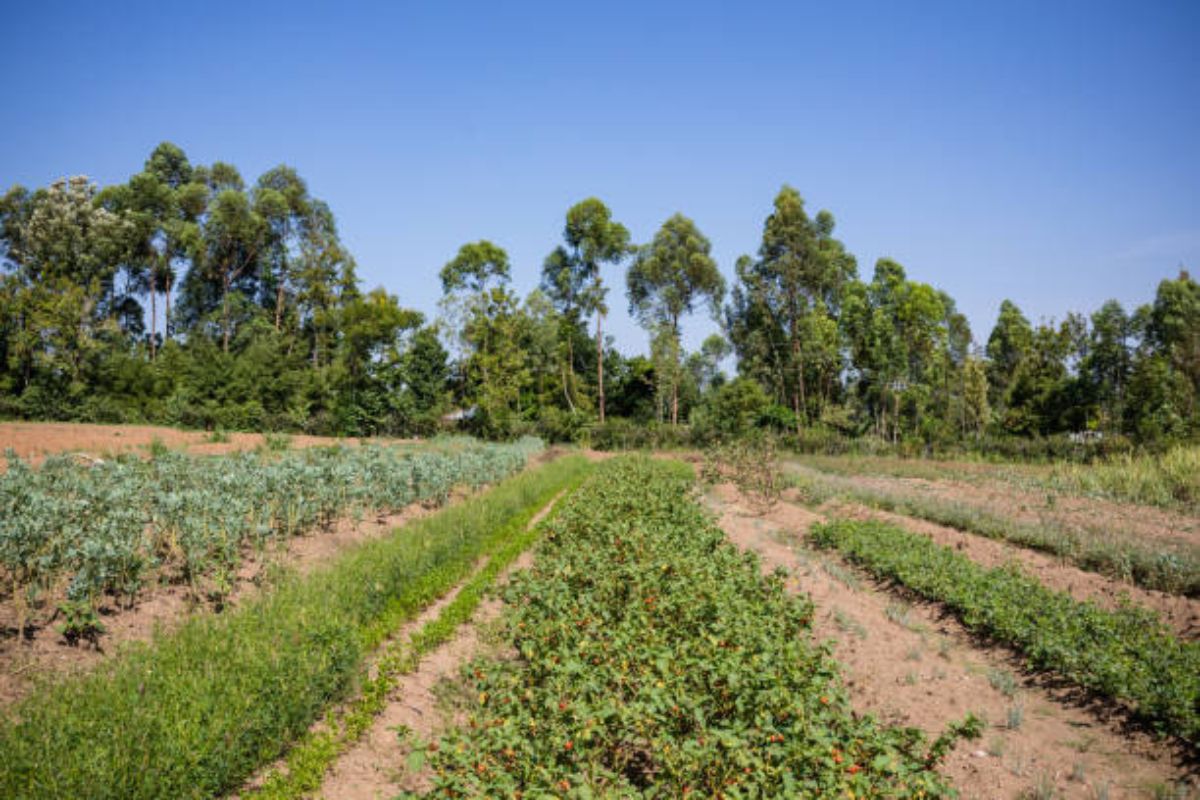
Diversity is strength. Monocultures—growing the same crop repeatedly—deplete specific nutrients and invite pest problems. Crop rotations, intercropping, and diverse plantings create biological balance and resilience. The more diverse your farm’s plant life, the more diverse and robust your soil ecosystem becomes.
The Long View
Rebuilding soil health is not a quick fix. It’s a commitment to working with nature rather than against it, to thinking in seasons and years rather than days and weeks. But the rewards—healthier plants, reduced input costs, improved drought resistance, and the satisfaction of genuinely regenerating the land—make it one of the most worthwhile investments any farmer can make.
Your soil is your farm’s foundation. Everything else—crop selection, planting schedules, pest management—builds on that base. Invest in understanding and improving your soil, and you’re investing in your farm’s long-term success. The hidden world beneath your feet is waiting to work with you, if you’re willing to work with it.